
Case Study 1
Continuous Patient Deterioration Monitoring
Wearables + edge ingestion + temporal model risk trajectories embedded into the EHR to surface deterioration trends early — without increasing alarm fatigue.
I build AI systems that are secure by architecture, not by patch — and I'm applying that principle to the biggest unsolved problem in healthcare AI: what happens when it touches patient data and gets it wrong.
PhD, AI & Cybersecurity · Cisco, Worldwide Cloud & AI Infrastructure Sales · 18 Years Across Telecom, Financial Services, Retail & Healthcare
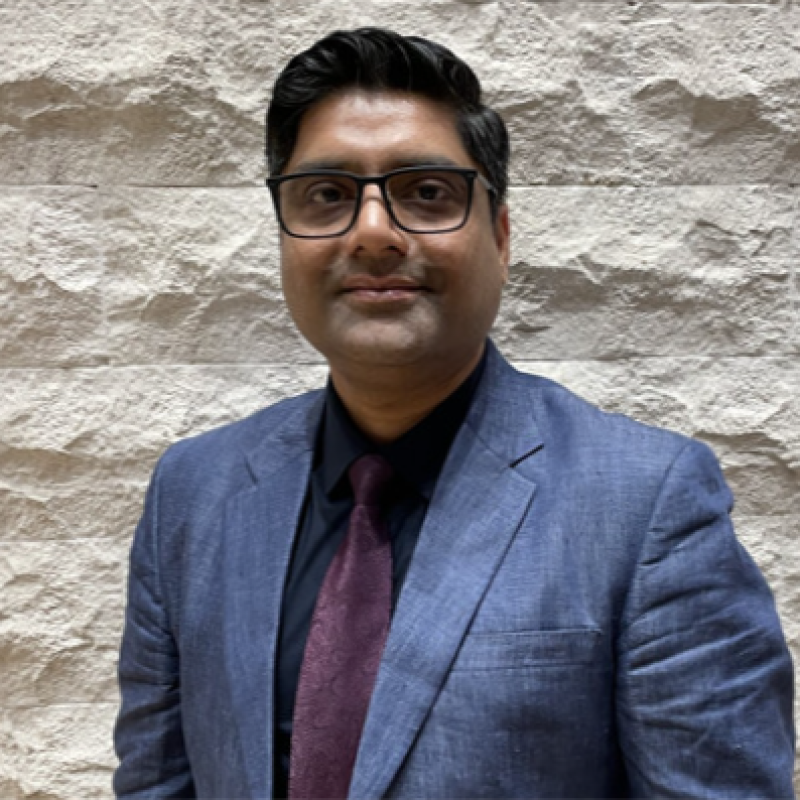
"We know exactly what our EHR does when it fails. We have no idea what our AI does when it fails — because it hasn't failed loudly enough yet." A hospital CIO, in conversation
That sentence is the reason this site exists.
I didn't start in healthcare. I started in telecom, staring at a harder version of the same problem — four of the largest carriers in the US, all fighting networks that retrained themselves on new traffic and attack patterns faster than any human team could monitor. I architected the Cyber Security Intelligence Solution that gave AT&T, Verizon, Comcast, and T-Mobile a way to catch threats inside that moving target. It opened roughly $40M in new business. The number I actually care about is different: it proved that security bolted onto AI after deployment always loses to security built into the architecture from day one.
I call that principle Secure by Architecture, Not by Patch — it's the lens I now put on every AI system I touch, and the thesis of my PhD.
Secure by Architecture, Not by PatchI finished a PhD in AI & Cybersecurity in 2025 because I kept running into a version of that CIO's sentence in every regulated industry I've worked in. Healthcare is where it's loudest. Health systems are deploying generative AI into clinical workflows faster than governance frameworks can keep up — HIPAA wasn't written for an autonomous agent making a clinical judgment call on PHI in three seconds. That gap is where I now spend most of my reading, writing, and advisory conversations.
Today I lead Cisco's Worldwide Cloud & AI Infrastructure Sales organization, working with CXOs and architecture teams to design AI infrastructure — Cisco UCS X-Series, NVIDIA integrations, Cisco's Secure AI Factory framework — that's governable from the first line of code, not retrofitted after an incident report.
The thesis behind a $40M telecom deployment, a PhD dissertation, and every healthcare AI conversation I'm in now.
An AI system is built, tested, and shipped. Security is added afterward. Vulnerabilities are found by attackers first, patched by vendors second.
AI agents touching PHI move faster than a patch cycle. A single ungoverned model decision can have direct clinical consequences — not just a data breach.
Auditability and threat detection are built in from the first architecture review. This is the model behind the $40M telecom deployment — and the one I now bring to every healthcare AI conversation.
Drive Cisco's worldwide AI infrastructure sales motion across a $500M scope, advising CXOs on secure AI architecture for regulated industries, including healthcare. Anchor deployments in Cisco's Secure AI Factory framework on UCS X-Series and NVIDIA integrations.
Grew AI-driven business by $20M+ annually across AT&T, Verizon, and Dish. Delivered the Cisco Live keynote, "Harnessing AI for Next-Gen Network & Services Observability." Won the Technical Leader Award and "Dedication to Innovation" recognition.
Architected the Cyber Security Intelligence Solution — the origin of "Secure by Architecture, Not by Patch" — opening $40M in opportunity across AT&T, Verizon, Comcast, and T-Mobile. Incubated Healthcare, BFSI, and Utility AI use cases from zero. Filed multiple patents on customer network transformation.
Designed the AI-based smart estate platform behind Singapore's Jurong Innovation District. Work later published internationally as a whitepaper on Digital Twin and Smart City design. Won the Worldwide TSIA Star Service Excellence Award (2018).
Built the ML-based HP Shopping Business Platform, driving a $156.9M annualized revenue increase. Set up and ran a 40-person data science delivery hub in Bangalore.
Built the data infrastructure behind four McKinsey analytical products, including Clinical Trial Investigation.
Built a default-prediction model that improved compliance and cut risk exposure across the portfolio; designed the customer churn model still shaping retention strategy.
Implementation-focused examples executives can scan quickly: what was built, how it integrated into clinical systems, and what changed operationally.
Case Study 1
Wearables + edge ingestion + temporal model risk trajectories embedded into the EHR to surface deterioration trends early — without increasing alarm fatigue.
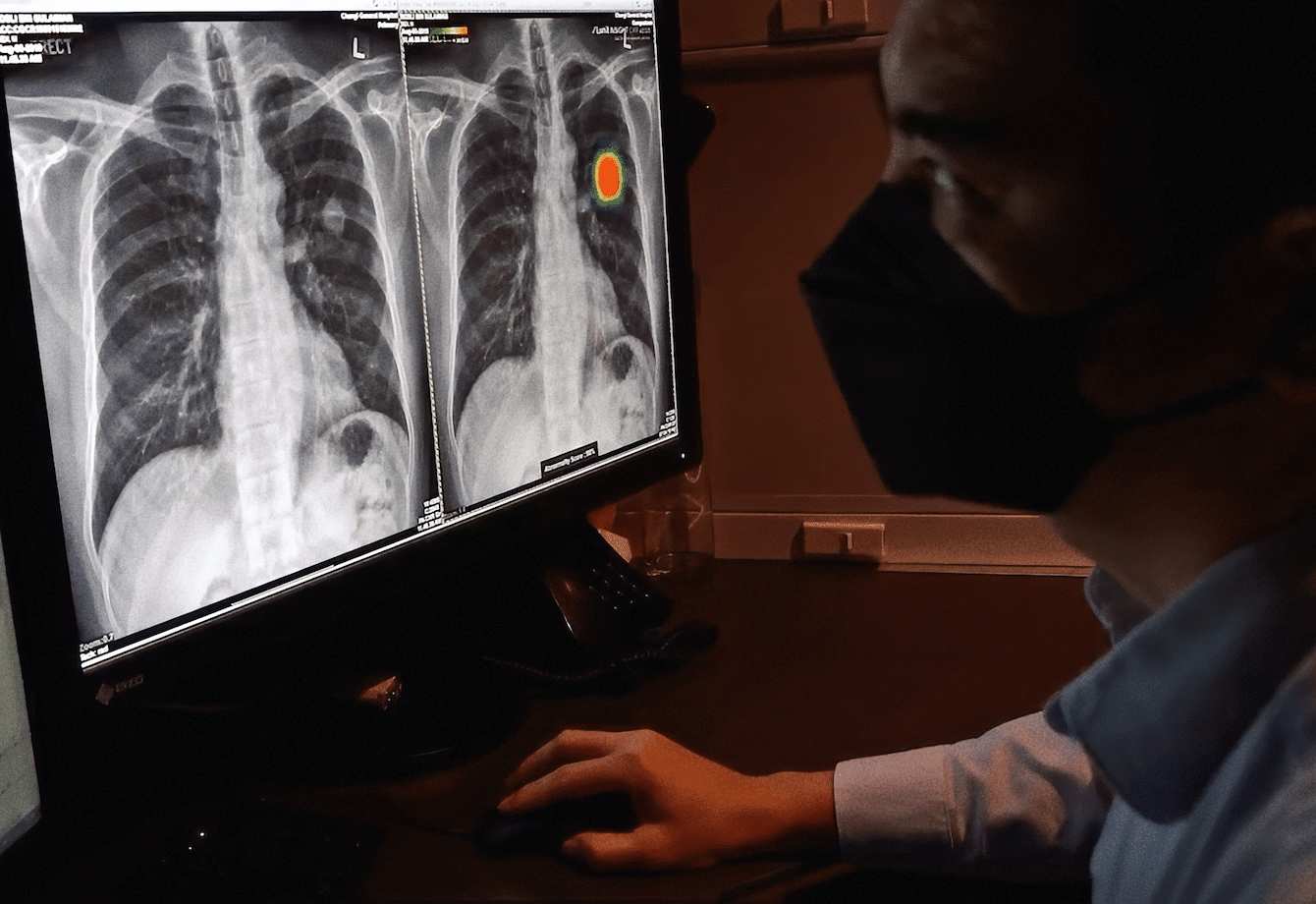
Case Study 2
On-prem DICOM-to-inference pipeline that tags suspicious exams and writes heatmap overlays back into PACS so clinicians can triage when radiology is overloaded.
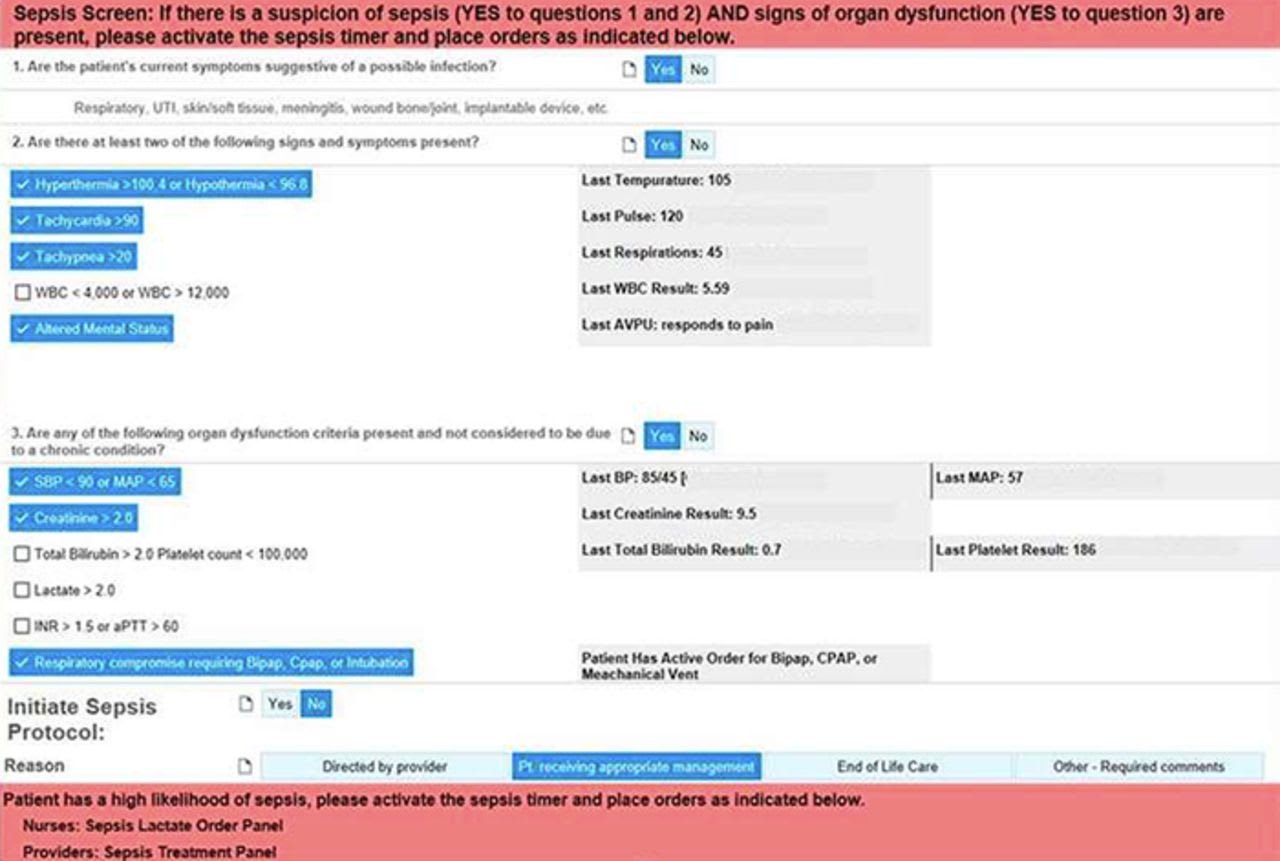
Case Study 3
Hybrid rules + ML decision support integrated into ED operations: triggers bundles, timers, and checklists — designed for adoption, not dashboardware.
Selected research and publications supporting the "Secure by Architecture" thesis. Full citations and artifacts are available on request.
Dissertation focused on architecture-first AI security and governance for regulated environments. Abstract and citation available on request.
International publication based on the smart estate platform designed for Singapore's Jurong Innovation District. Reference and link available on request.
Cisco Live keynote framing AI adoption as an observability and governance problem. Recording/slides available on request.
Multiple patents filed during tenure as Lead Data Scientist & Architect, Cisco (2019–2022). Patent numbers/titles available on request.
Original essay on GenAI failure modes in PHI-touching workflows and the governance controls that prevent silent failures.
National University · Dec 2021 — Dec 2025
Massachusetts Institute of Technology · 2020 — 2021
Management Development Institute, Gurgaon · 2011 — 2013
IMS Unison University · 2002 — 2005
AI Security & Governance · Healthcare AI Governance & Compliance · HIPAA-Aligned AI Architecture · Cybersecurity Intelligence Solutions · Secure AI Infrastructure Architecture
Generative AI (GenAI) · Large Language Models (LLM) · Retrieval-Augmented Generation (RAG) · Machine Learning · Deep Learning · Vector Databases · Mathematical Modeling · Data Modeling for AI
AI Infrastructure (NVIDIA, Cisco UCS X-Series) · Cloud AI Workloads (AWS, Azure) · ML Ops · Data Engineering · AI Solution Architecture
Executive & CXO Advisory · Enterprise AI Adoption Strategy · GTM & Pre-Sales Strategy · Technical Team Building & Mentoring · Data Science Leadership · Patents & AI Innovation · Smart City / IoT AI Applications · Account Management
Representative healthcare AI/ML work, framed through governance, auditability, and infrastructure that is secure by architecture.
An end-to-end pipeline that detects buying intent in public social content, enriches contacts, pushes clean leads to CRM, and drafts outreach for human review — designed for repeatability and attribution.
A domain-aware website agent that guides buyers through process selection, materials, constraints, and RFQ capture — behaving like a technical sales engineer, not a generic chatbot.
A voice-first platform that makes internal product images and training videos instantly discoverable via natural-language queries, replacing manual folder navigation with ranked, previewable results.
An AI-augmented scraping + extraction pipeline that keeps product and expiry data current across supplier sites without APIs, normalizing outputs into analysis-ready files and alerts.
A prompt-to-design personalization engine that generates print-ready artwork, previews it on products, and produces production-safe assets — enabling open-ended customization without linear design headcount.
An AI-driven platform that automates collection, parsing, and normalization of compound and supplier data into a single analysis-ready dataset, reducing manual research and improving decision speed.
A catalog-aware chatbot that diagnoses problems, designs treatment systems, and recommends compatible products across a 20k+ SKU taxonomy — with end-to-end analytics from chat to revenue.
A voice + chat assistant with a lifelike video avatar front-end, connected to product search and tool-based reasoning to guide discovery and purchasing in a distinctive, on-brand experience.
If you're a health system CISO, CIO, or board member working on secure, governed AI in clinical settings, I'd like to hear how you're thinking about it.